• Home
  • Radio-Past
    • Project details
    • Research techniques
      • Airborne remote sensing
        • Traditional aerial imaging
        • Helikites and drones
        • NUV and NIR photography
        • LiDAR
      • Field survey
      • Geophysical survey
        • Earth resistance
        • Georadar
        • Magnetometer
        • Magnetic susceptibility
      • Topographical and geomorphological survey
        • Geomorphology
      • Groundtruthing
      • Virtual reconstruction
    • Partners
    • Reference projects
  • Open Lab Ammaia
    • Recent activities
    • History
    • Recent research
      • Aerial survey
        • Aerial photography
        • LiDAR
      • Surface artefact collection
      • Geo-archaeological survey
        • Gold mining
        • Stone quarries
        • Rural landscape
      • Geophysical survey
        • Earth resistance
        • Georadar
        • Magnetometer
        • Magnetic susceptibility
      • Topographical survey
        • Reference system
        • Digital elevation model
      • Field survey
      • Architectural scanning
      • Excavation
        • Trial trenching
        • Thermae excavations
      • Material studies
        • Artefact study
        • Laboratory analyses
      • Virtual reconstruction
    • Mapping the city
    • Archaeological park and museum
    • Bibliography
  • Multimedia
    • 3D-reconstructions
    • Maps and plans
    • Movies
      • RTP Report 1
      • RTP Report 2
    • Panoramic images
    • Photographs
      • Snow in Ammaia!
  • Links
  • Site map
  • Contact
  • Login
Browse: Home / Open Lab Ammaia / Recent research / Material studies / Artefact study

Artefact study

When developing a detailed understanding of the process of Romanization and the character and evolution of material culture in Roman times, studies of excavated artefacts play an important role in differentiating between goods produced locally, goods produced by the city and distributed in the countryside and goods that were imported from long distances. The obtained information from material studies allows charting local, regional and supra-regional movements of goods and products, and tying the attested regional assemblages of such goods to the wider understanding of urban settlements and their territories in order to approach exchange patterns and mechanisms and the potential impact of the Roman central authority on them. Furthermore, the study of materials in context is of crucial importance in the chronometric process, for dating the structures and any diachronic research. The link of artefact studies and preservation, with the on-site museum context is evidently also important at Ammaia.
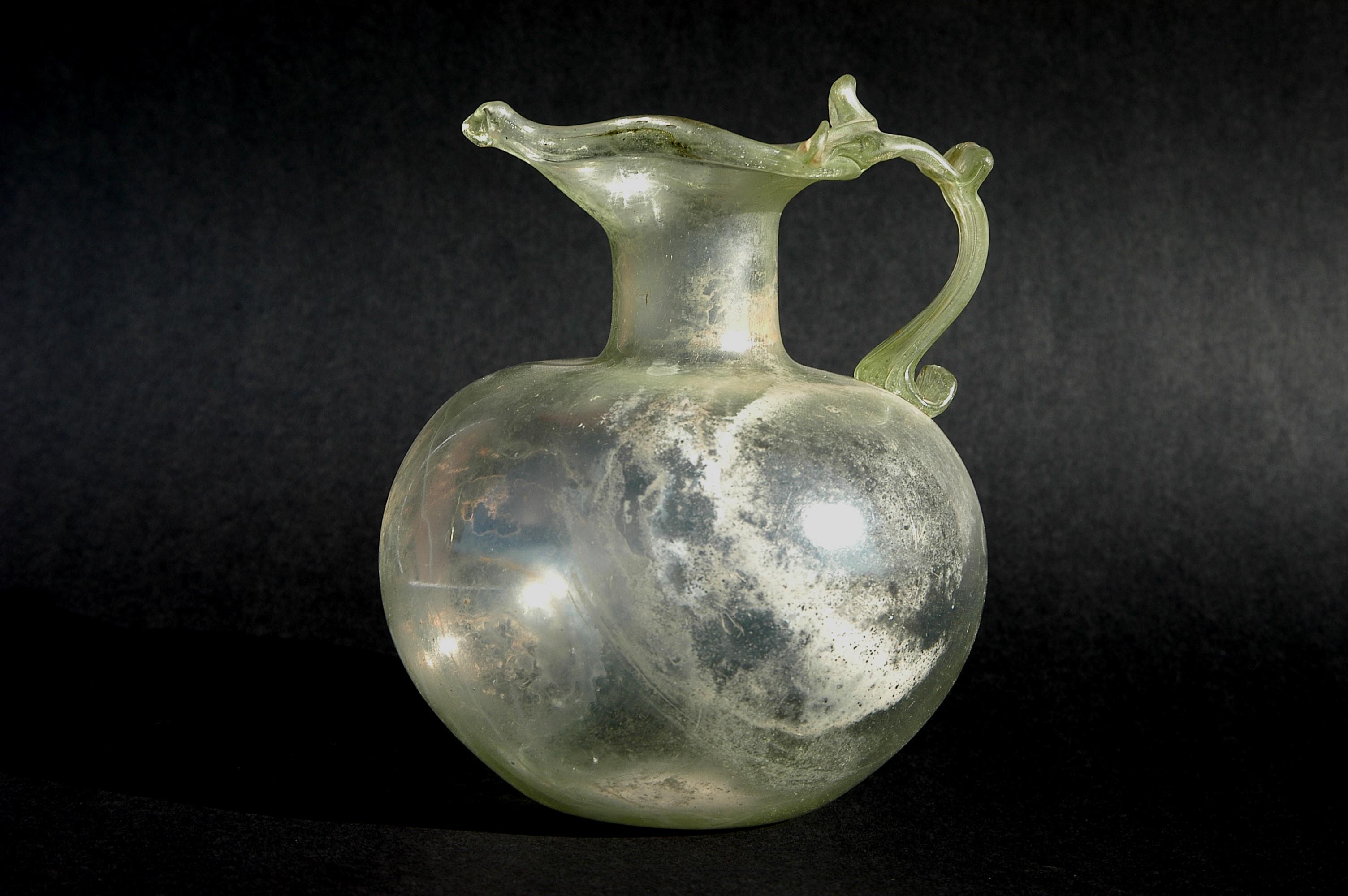
Ammaia. Glass

At the moment different long term artefact studies have started at the base of Ammaia. They include the study of coins, building materials and especially pottery (table wares, lamps, amphorae, cooking wares…). At the same time the laboratory for the conservation of archaeological materials is now fully operative.


Search

News


First impressions in "Recent activities"


Interview and photographs in "Recent activities"


Ammaia Report in "O Público"

-->

Copyright © 2010 Radio-Past.

Powered by WordPress and Hybrid. Operated by 7reasons
